

Cluny Institute
Who
Cluny InstituteWhat
Think TanksWhen
2024 - 2026Why
To bring about real and substantial conversations amongst the three most influential "cities" of the 21st century, Athens (Academia), Jerusalem (Faith) and Silicon Valley (technology & entrepreneurialism)Thanks To
Luke Burgis
Founder & Director
Jordan Castro
Deputy Director
Patrick Reid
Web Dev, CTOJulie Park
Events ProducerRole
Brand Strategy
Creative Direction
Brand Design
Art Direction
Graphic Design
Font Design
Web Design

CLUNY began with an ambition worthy of our age:To renew culture by forming the people who create it.
Inspired by the tenth century Abbey of Cluny, a center of spiritual renewal, learning, art and innovation — CLUNY was never intended to become merely another think tank, publication or conference series.
It was conceived as something larger: a place where ancient wisdom and new ideas could meet and where people could build what is real, human and enduring.
The vision was expansive.
The brand needed to make it coherent.
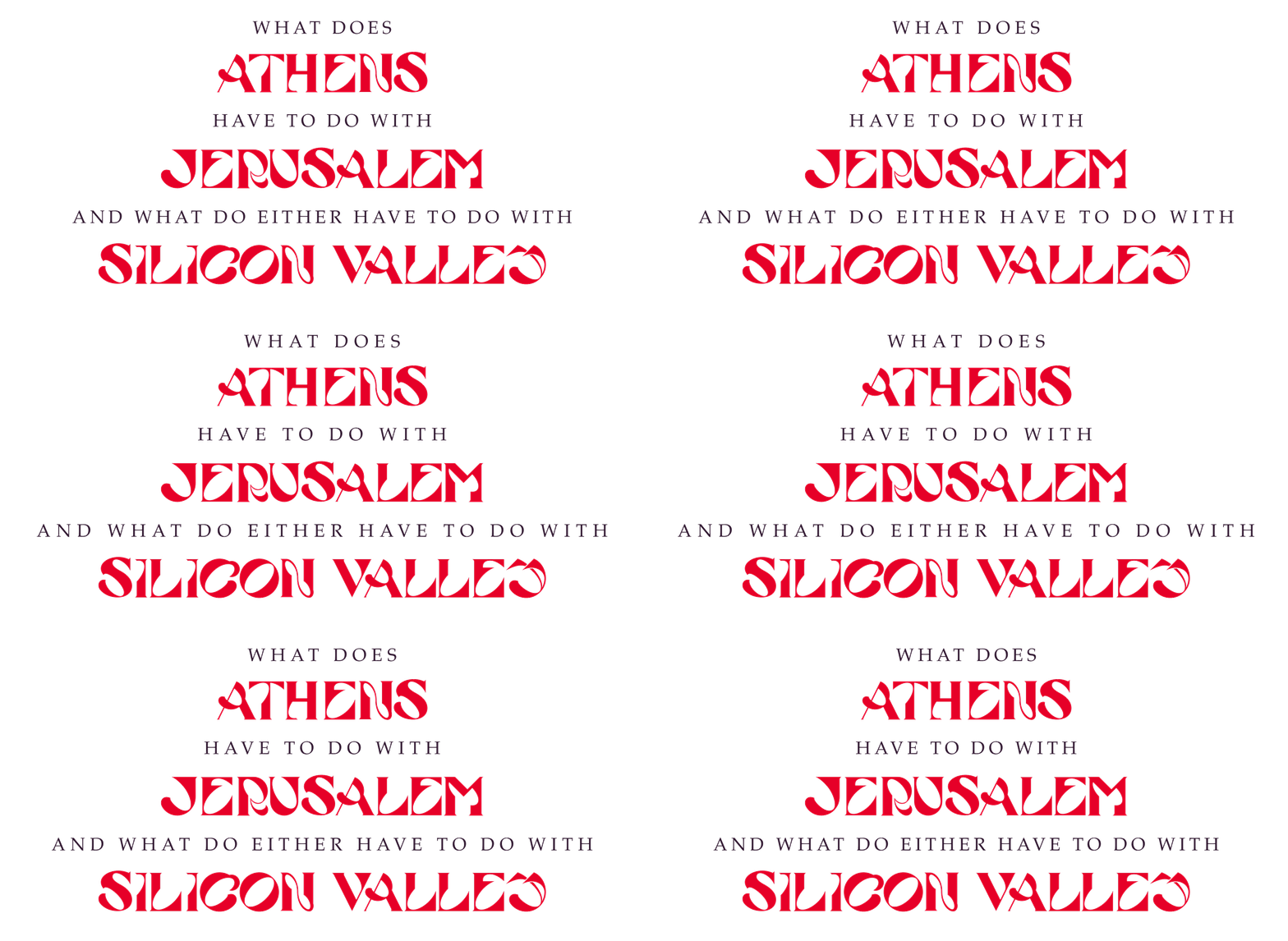

The ChallengeHow do you give form to an institution built for people who defy silos—when many of them still live inside one?

CLUNY brings together disciplines that rarely share the same room: faith and technology, philosophy and enterprise, art and education, contemplation and action.
Without a clearly articulated center, its journal, academy, capital initiatives and gatherings could feel disconnected, like the culture it was hoping to unite.
Too academic, and the brand would become inaccessible.
Too contemporary, and it would lose the depth that made it distinct.
CLUNY needed to hold a productive tension:
Ancient and emerging.
Sacred and experimental.
Intellectual and alive.
The OpportunityBuild the real.
Build one world with many ways to enter in.
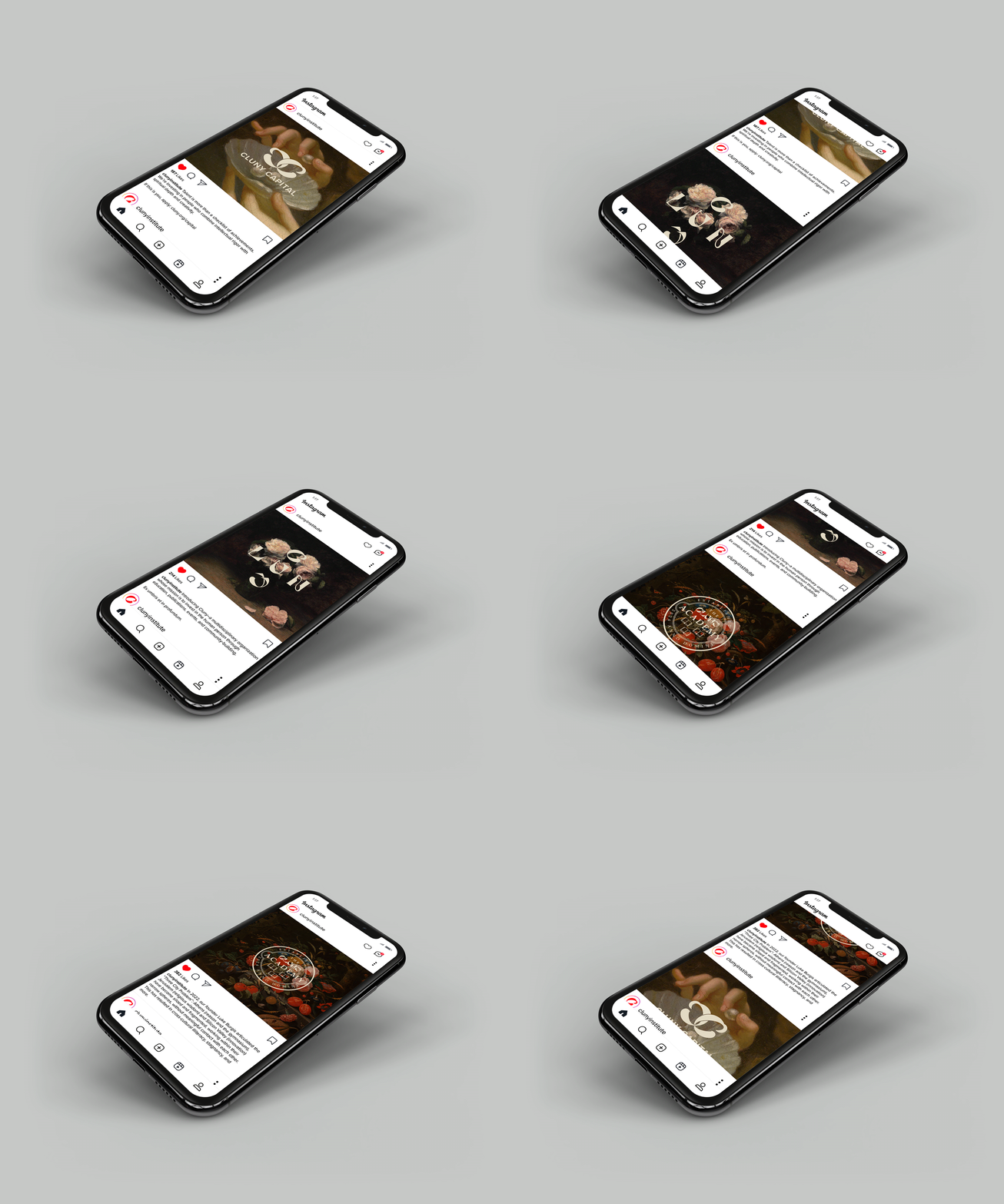
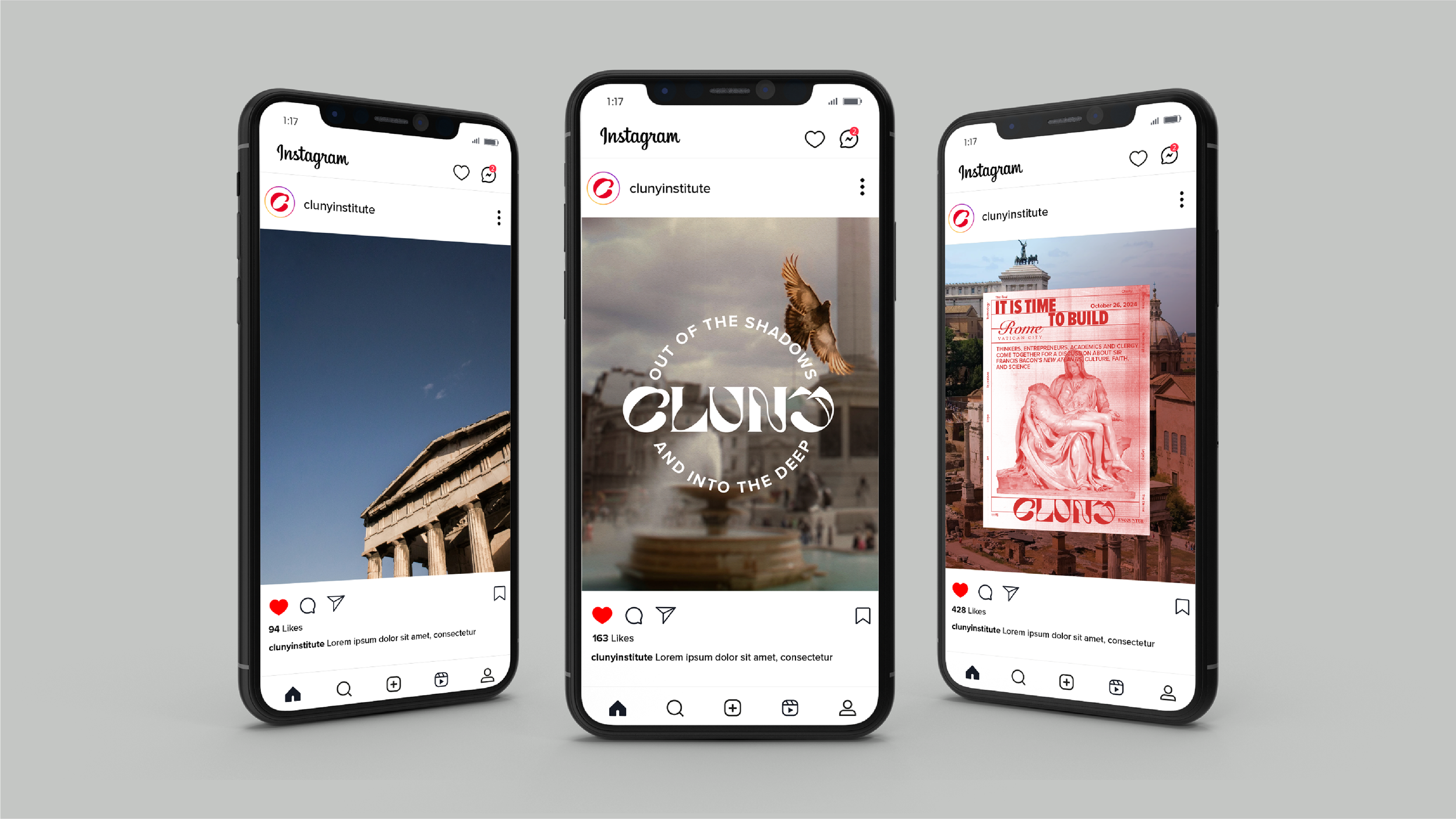
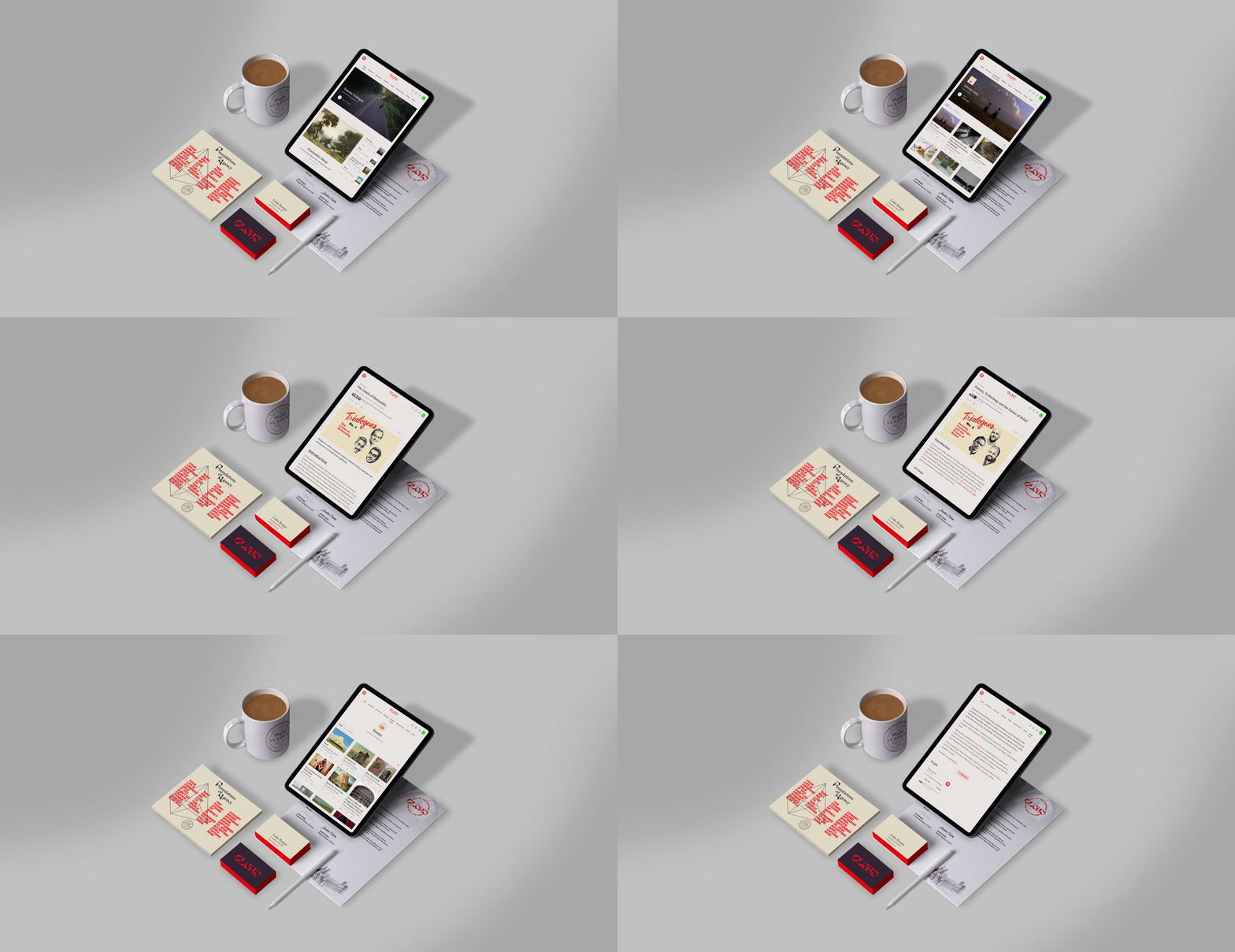
From that foundation, we created a brand architecture for CLUNY, the Journal, Academy, Capital and future initiatives.
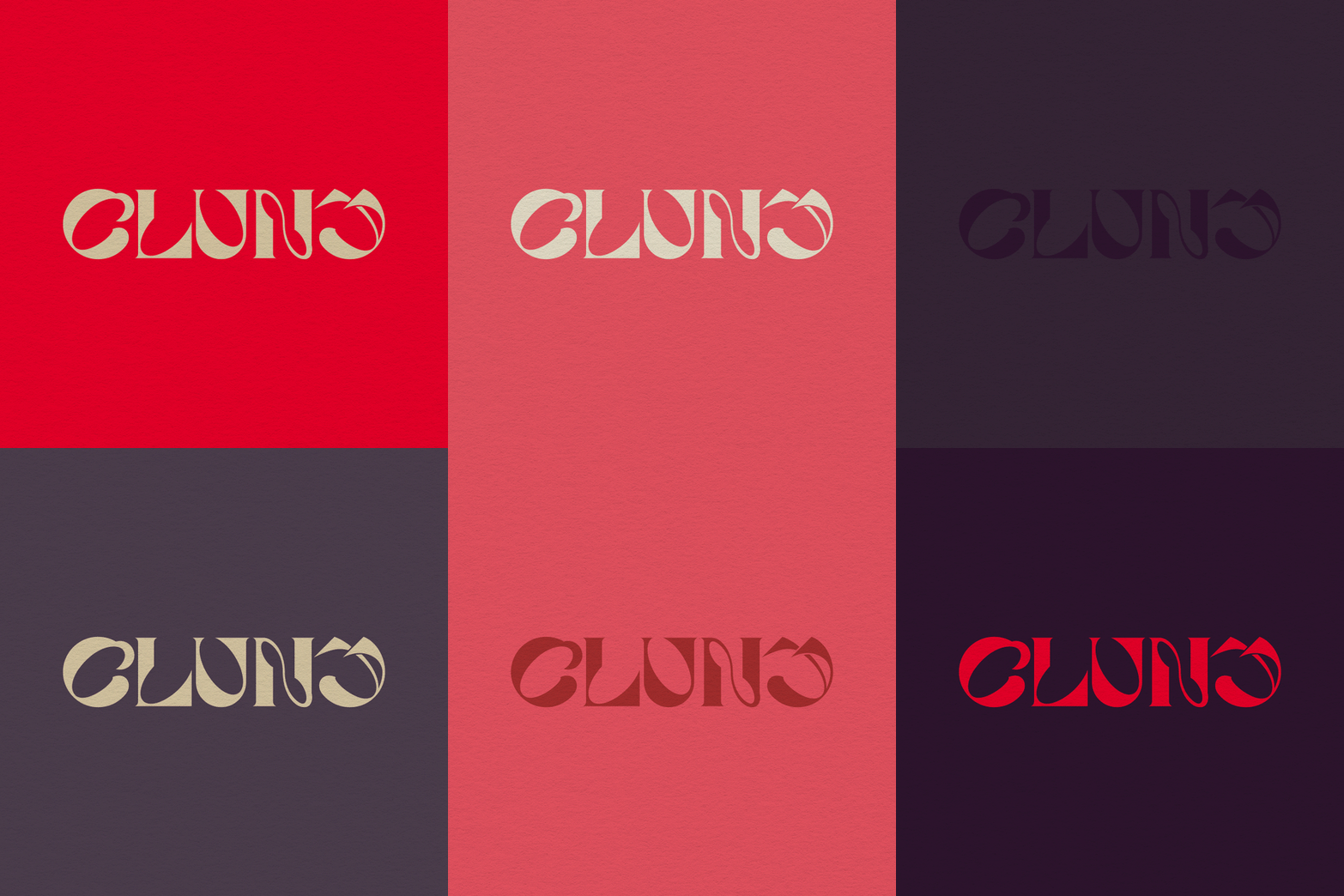
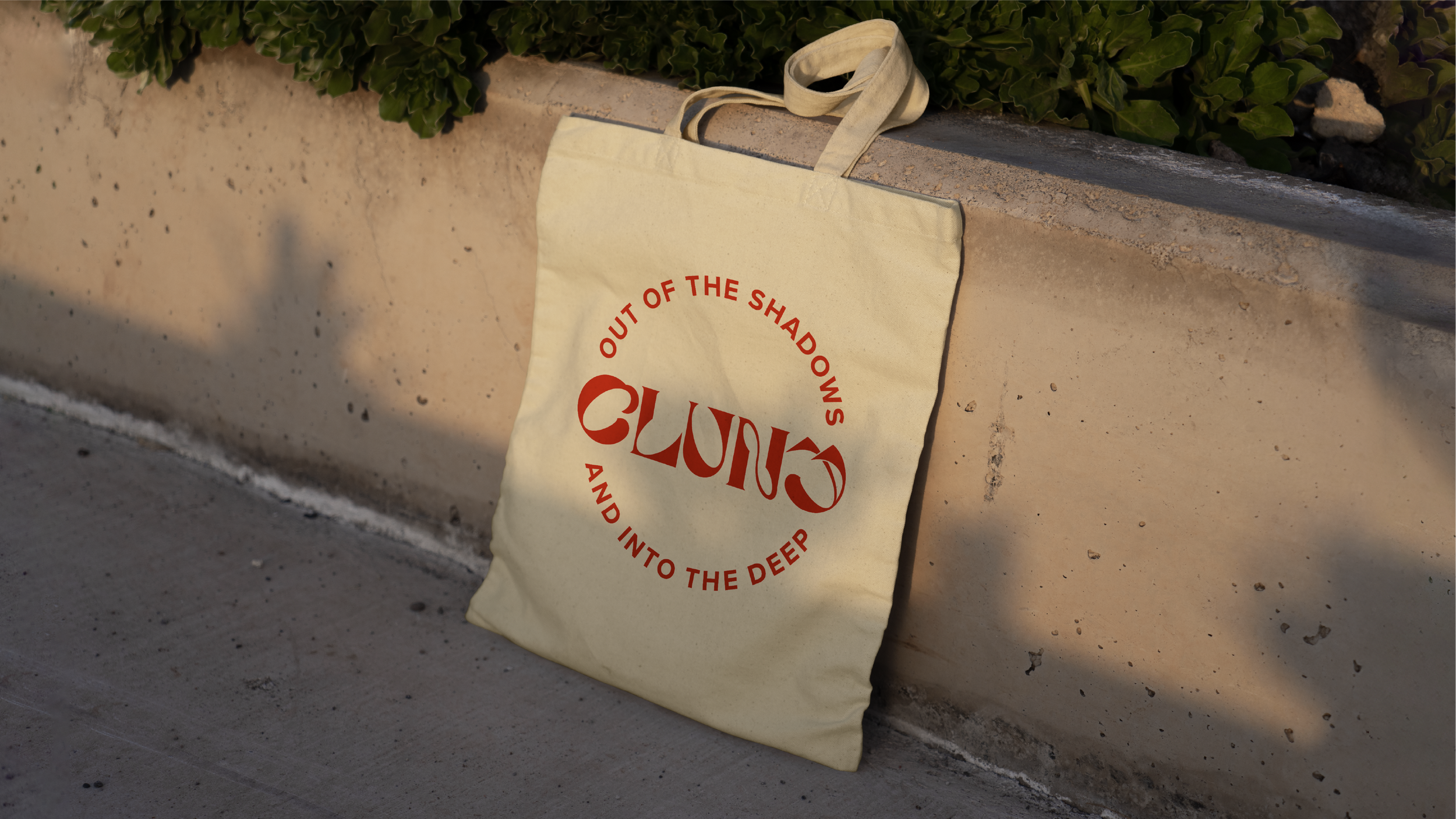
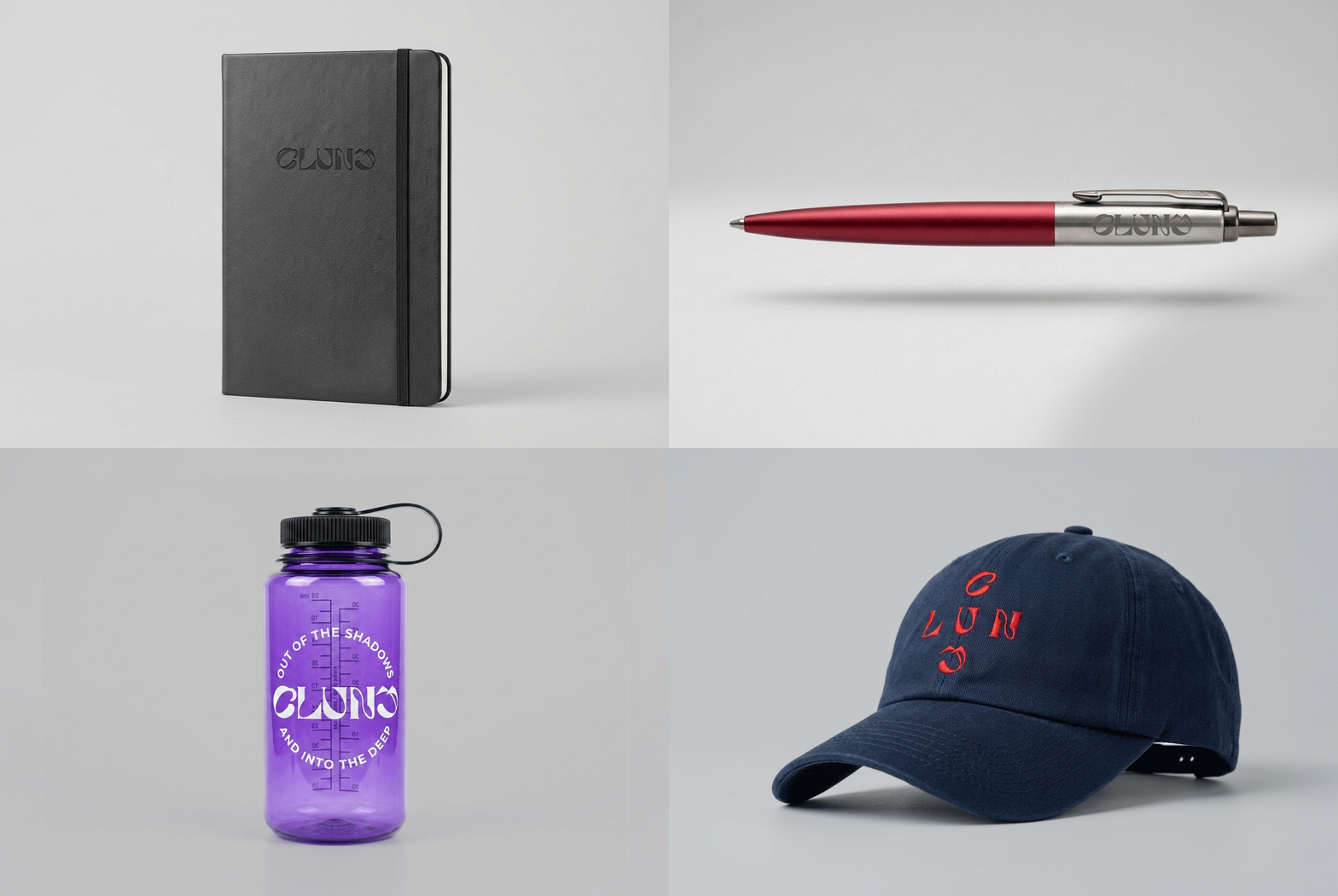
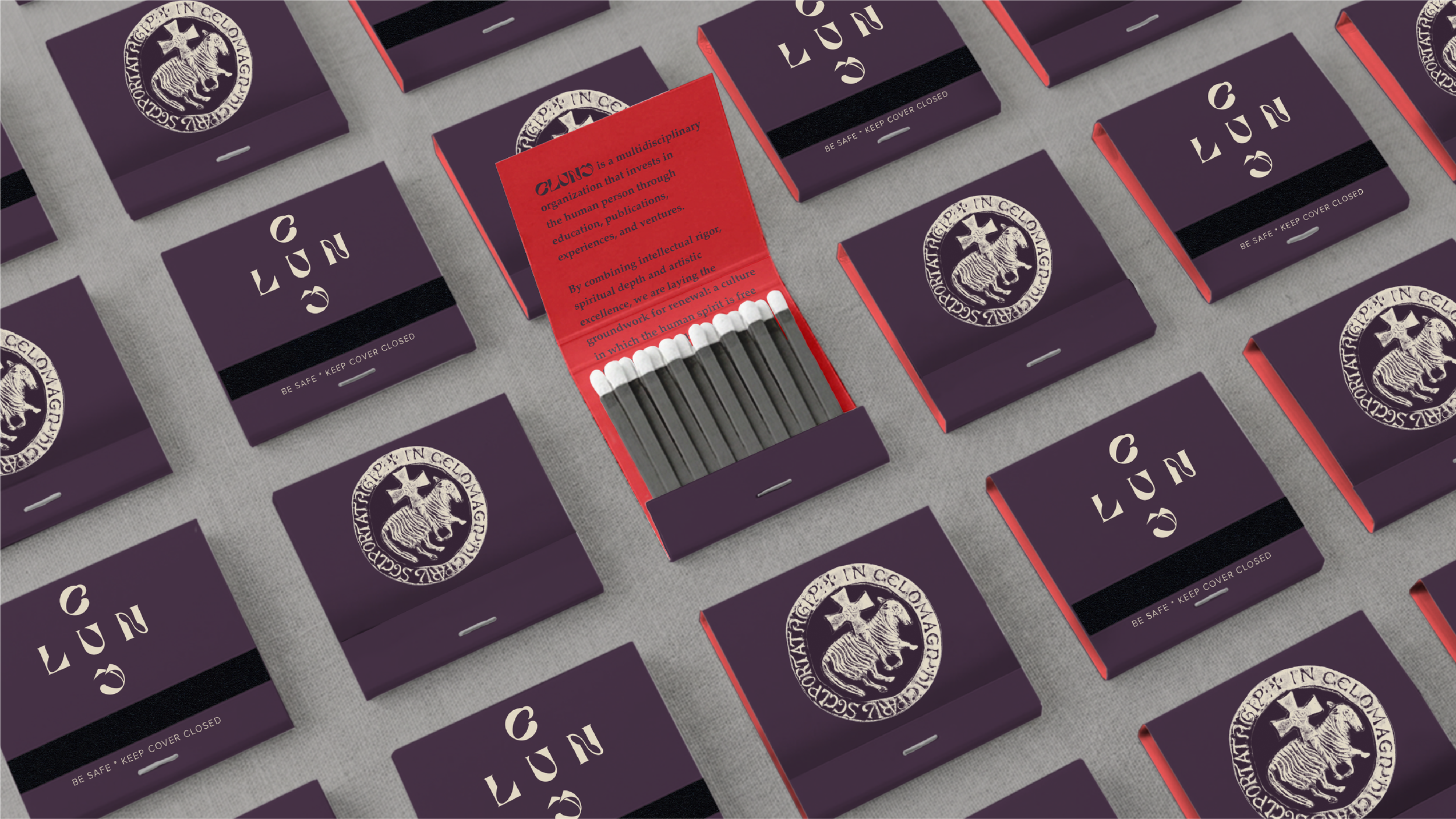
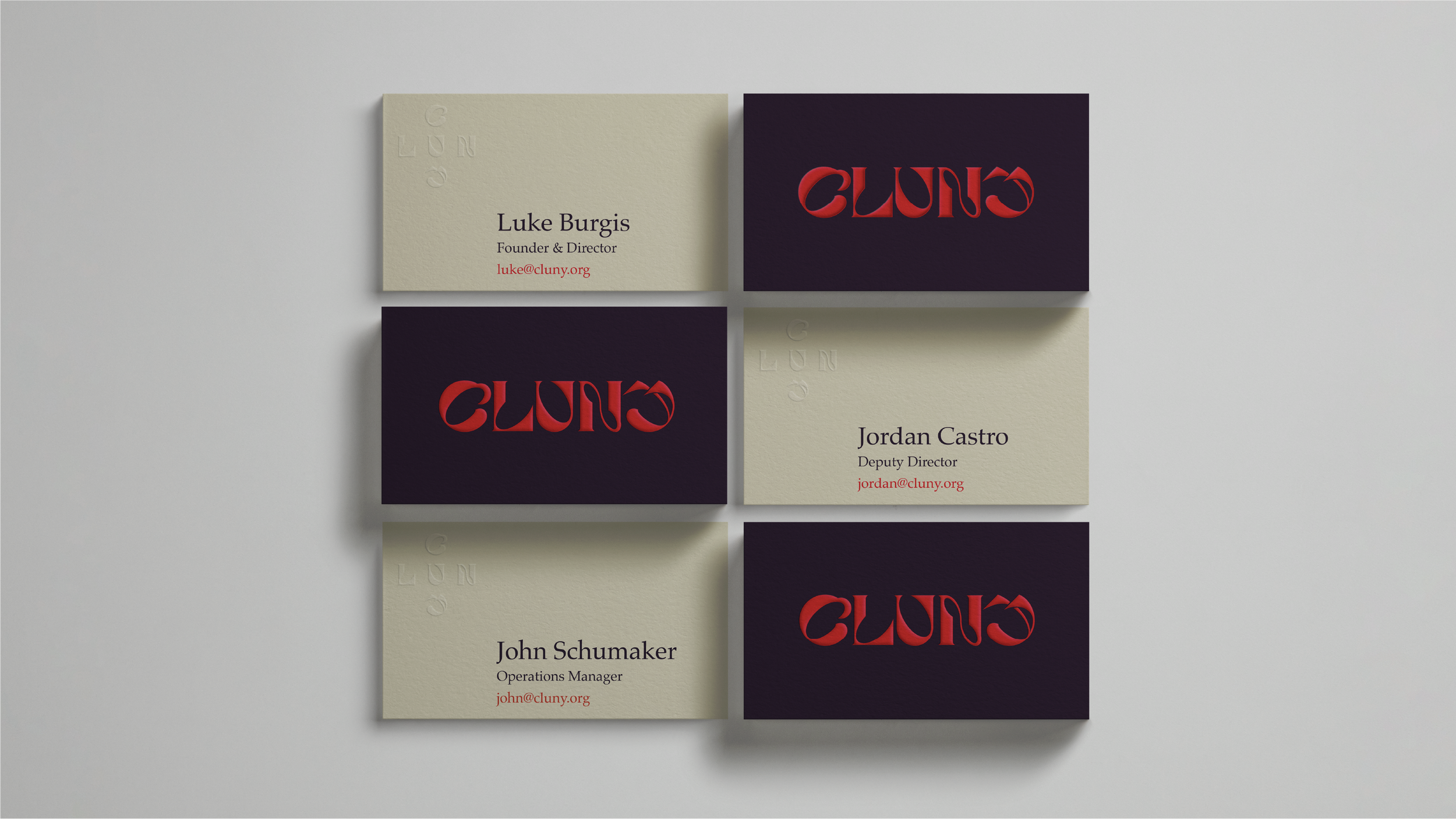
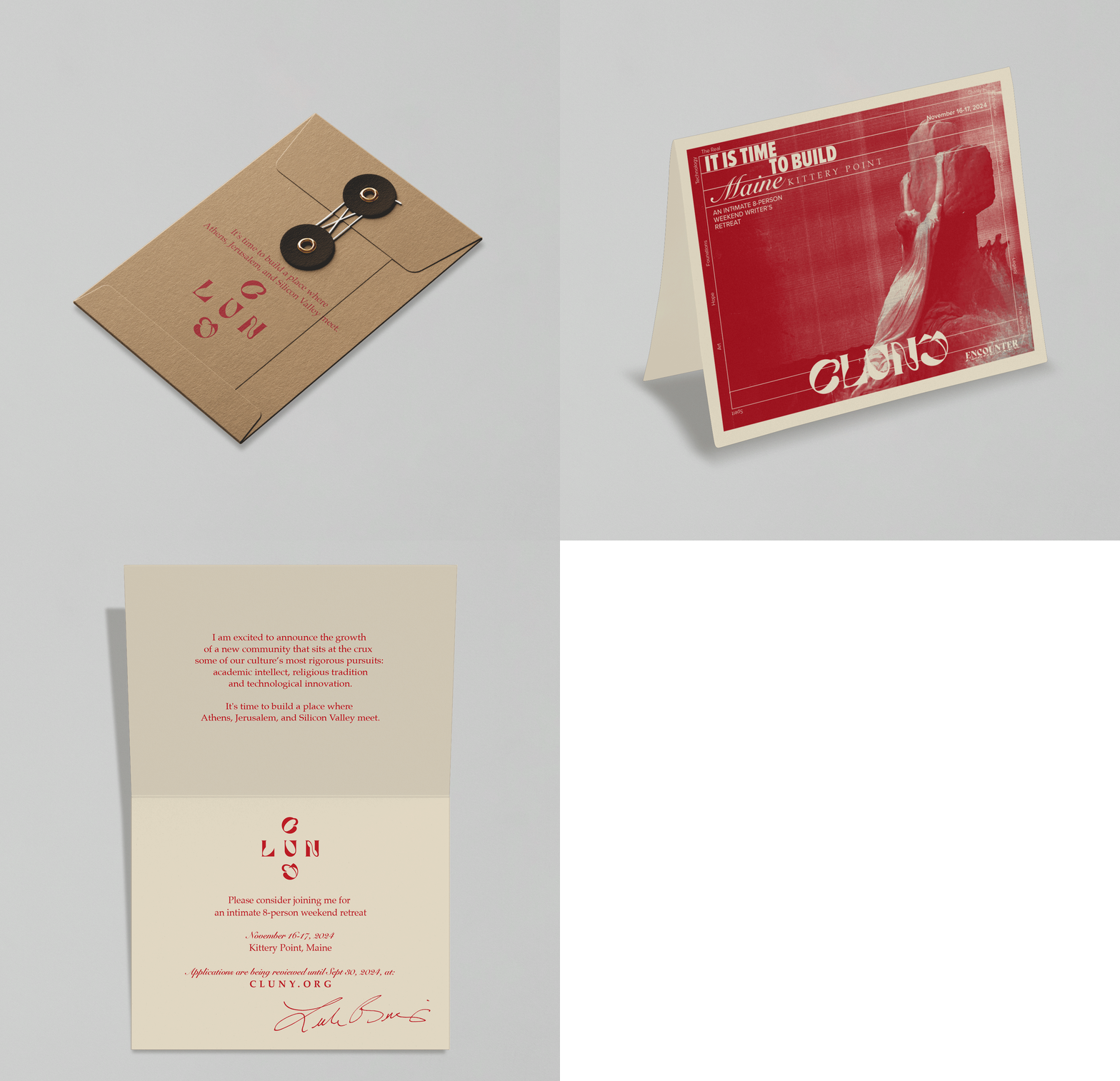
The identity had to feel inherited without feeling nostalgic. Custom letterforms, ecclesial forms and a palette of Kalamata, Bone and Velvet Red draw from the authority of enduring institutions while pushing them somewhere less expected.
The system wasn't designed for consistency through repetition. It was designed for coherence through lineage. Each expression could develop its own character while remaining recognizably part of the same world.

The ExperienceMake ideas tangible.
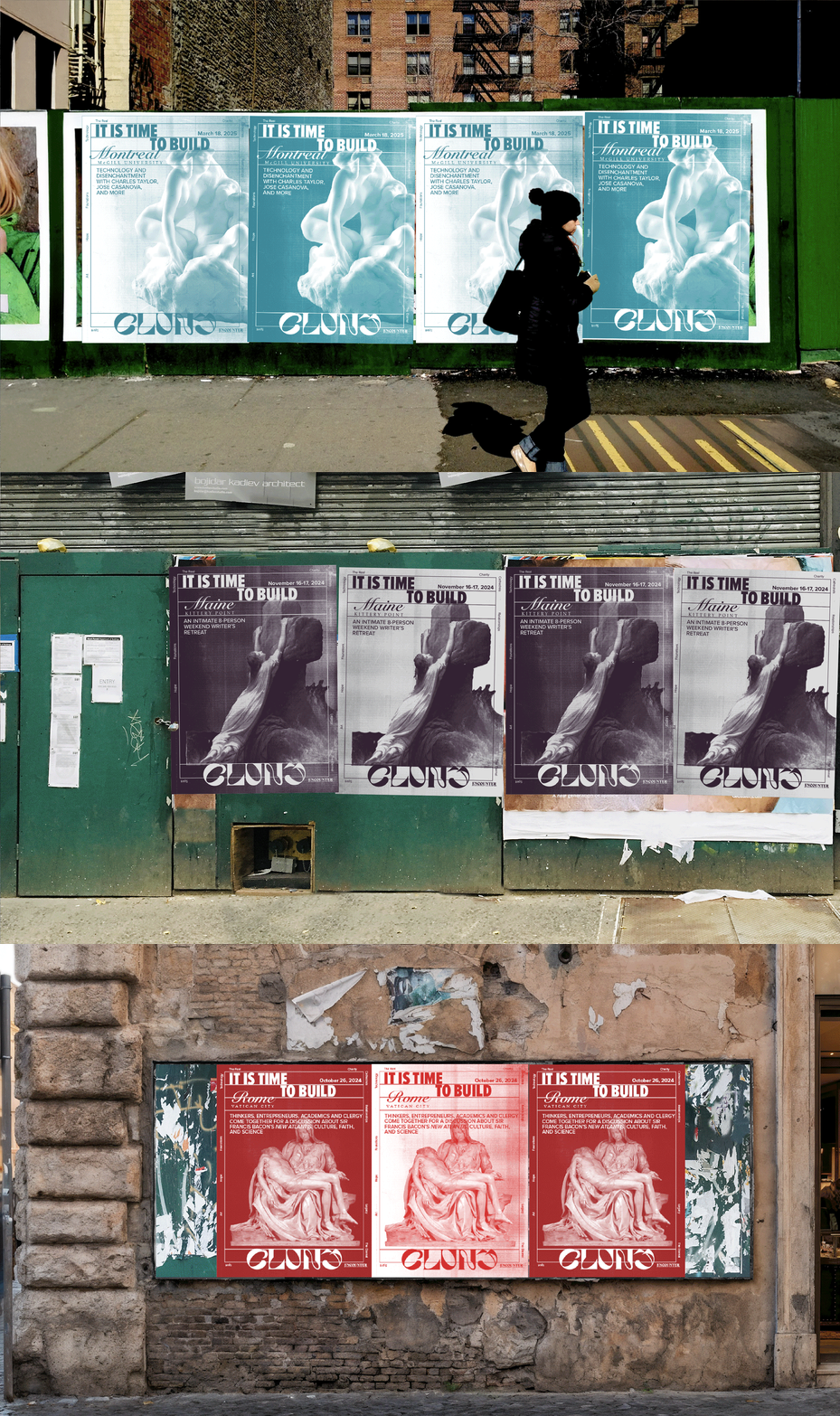

Ideas IRL
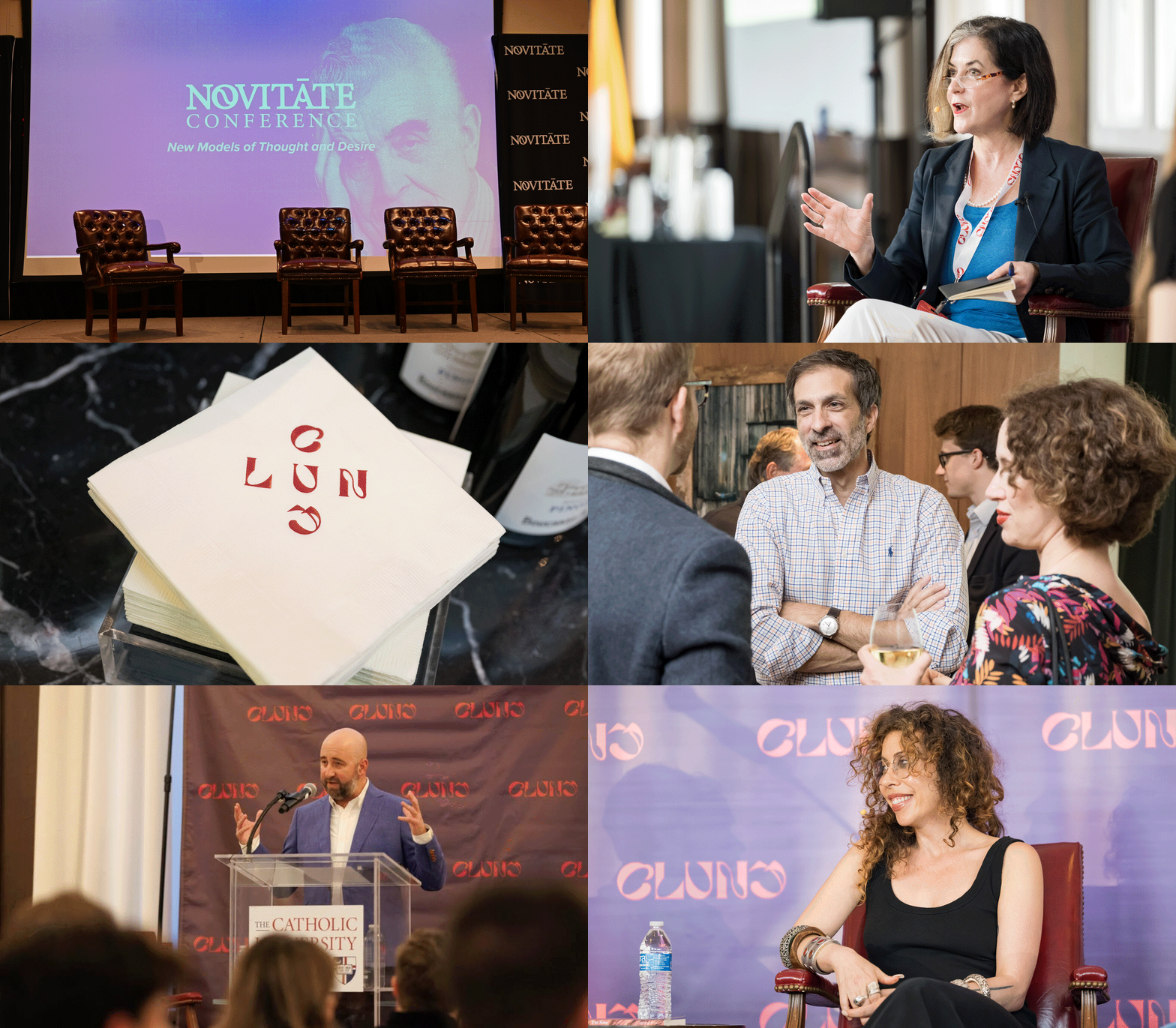
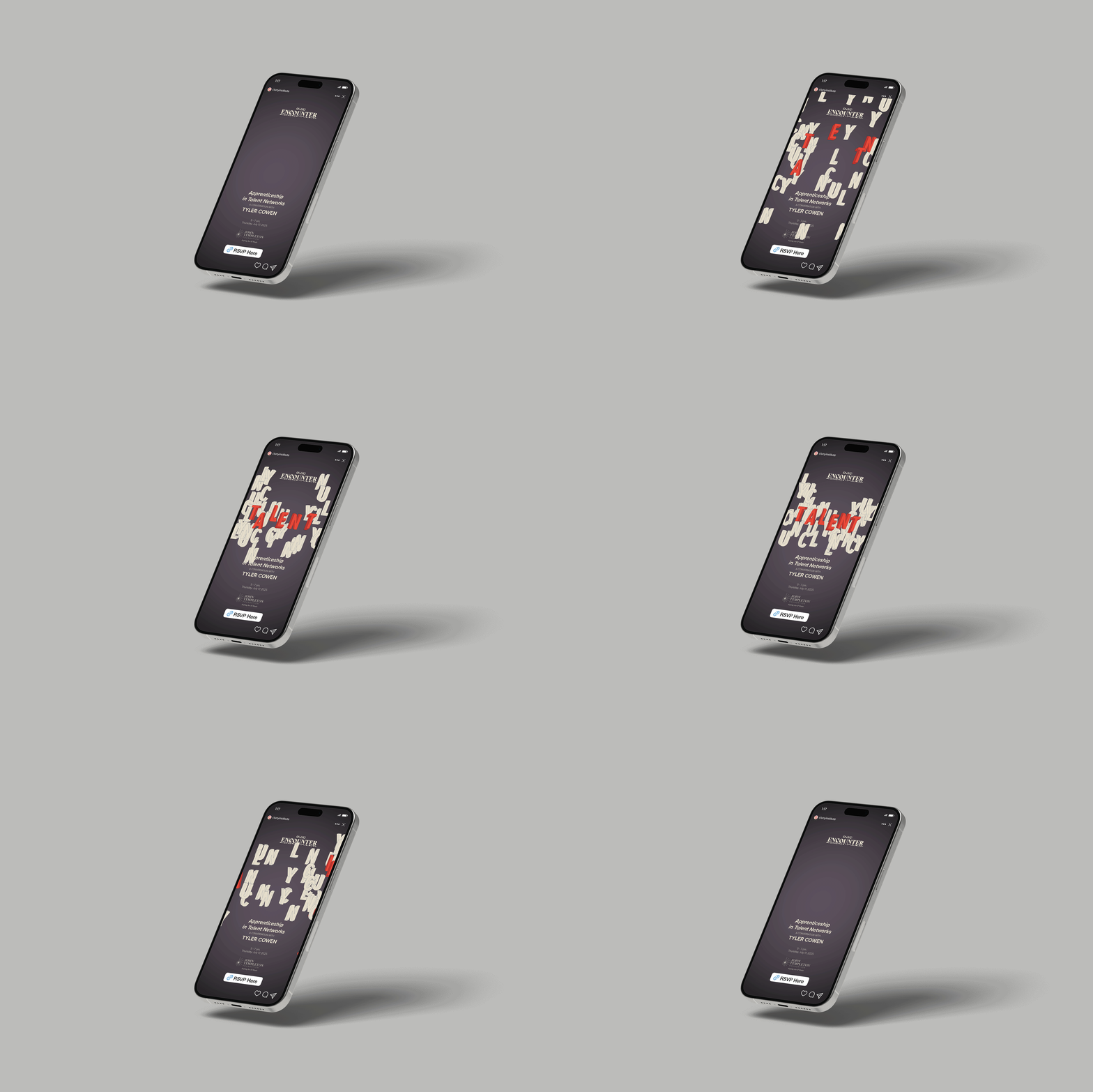
A series of Encounters happen throughout the year in magnet cities and cultural centers around the world.
Novitāte Conference 2024 explored transformation, nonconformity and the renewal of thought and desire.
Metanoia Conference 2025 examined transformation as conversion and turning point—from religious awakening to intellectual and technological change.
Zoë Conference 2026 asked what abundant human life might mean in an artificial age, bringing questions of technology, religion and culture into the same room.
The system extends through Foundations of Agency, translating ideas from Luke Burgis’s books such as differentiation of self, value response, mimetic desire and acedia into a cohesive series of animated stories.
Ideas that had lived on the page became things people could see, enter and experience.

The TransformationFrom an ambitious idea to a world people can enter.
CLUNY now has a flexible system capable of growing across publishing, education, capital, conferences, social and film without losing a coherent center.
Since launch, that world has continued to expand: social audiences and engagement have grown rapidly, live events have drawn larger communities, funding and grant support have increased, and the caliber of speakers and collaborators continues to rise.
The brand did not simply give CLUNY a recognizable identity. It gave an ambitious idea a coherent form people could understand, participate in and support.
CLUNY is building the real.
We were honored to help make it visible.
Their community is making it tangible.

Christian and Chris of Mythic Proportions Rick Rubin’d me—they drew out the best of what I had inside of me—and for that I will be forever grateful.”
“
– Luke Burgis, Founder & Director, Cluny Institute